
Permits, Inspections, and Code Compliance for Austin Deck Projects
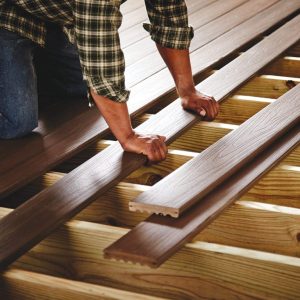 Building a deck in Austin typically requires a permit from the local building department. The permit process exists to ensure that deck construction meets structural safety codes, protects the homeowner, and creates a documented record that the work was done properly. For homeowners who have not been through the process before, it can seem complicated. This guide covers what you need to know about deck permits in Austin and surrounding cities, and explains how we handle the process for every project we build.
We have been coordinating deck permits across the Austin metro for over 13 years. We work with the City of Austin, Round Rock, Cedar Park, Georgetown, Pflugerville, Leander, Lakeway, Bee Cave, and West Lake Hills. Each jurisdiction has its own requirements, timelines, and inspection processes. We handle all of it through trusted partners, so you do not have to deal with the paperwork, submissions, or inspection scheduling.
When a Permit Is Required
The City of Austin requires a building permit for most deck construction projects. The specific trigger points vary, but generally, any deck attached to the house, elevated above a certain height, or exceeding a certain square footage threshold requires a permit. Detached, low-to-grade platforms may be exempt in some cases, but the exemptions are narrow, and the details matter.
Our recommendation is straightforward: get the permit. Even when a project falls into a gray area or might technically qualify for an exemption, the cost of permitting is small relative to the total project cost, and the documentation it provides protects you when selling the home, filing insurance claims, or dealing with any future dispute about the structure. Unpermitted decks create problems that are far more expensive to fix after the fact than the permit would have cost upfront.
The Permit Process in Austin
Application and Documentation
A deck permit application requires a site plan showing the deck location on the property, structural plans showing footing locations, joist spans, beam sizes, and connection details, and, in some cases, additional documentation for setback compliance and load calculations. We prepare all of this documentation as part of our standard process. The plans are based on the site assessment we conduct during the free estimate visit. Homeowners do not need to hire a separate engineer or drafting service.
Processing Timeline
The City of Austin typically processes residential deck permits within 1 to 3 weeks, though timelines vary by season and department workload. Spring is the busiest period for both deck construction and permit processing, so applications submitted in March through May may take longer to process. We account for permit processing time in every project timeline we quote, so the schedule you receive includes realistic start dates.
Inspections
Most deck projects require at least two inspections. The first is a footing inspection, which happens after the footing holes are dug and before concrete is poured. The inspector verifies that the holes meet the depth and diameter specified in the approved plans. In Austin, where expansive clay soil requires deeper footings than in many other regions, this inspection confirms that the foundation will support the structure over the long term. See our guide on why footing depth matters for Austin soil for more on this.
The second is a final inspection after construction is complete. The inspector checks that the deck matches the approved plans, that structural connections are properly secured, that railings meet height and spacing requirements, and that the overall build complies with the applicable building code. Some projects require additional inspections for framing or ledger board connections, depending on the scope of work. We schedule all inspections and coordinate access.
Permits in Surrounding Cities
Every city in our service area has its own building department and permit process. Round Rock, Cedar Park, Georgetown, Pflugerville, Leander, Lakeway, Bee Cave, and West Lake Hills each handle permits independently. Requirements, fees, processing times, and inspection procedures vary between jurisdictions. Some cities process permits faster than Austin. Others have additional requirements or different setback rules.
We work across all of these jurisdictions and know each city’s specific process. When we quote a project, we include permit coordination for the city where your property is located. You do not need to figure out which department to contact, what forms to fill out, or how to schedule inspections. We handle all of it.
HOA Architectural Review
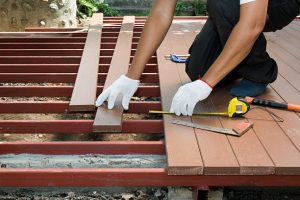
In addition to city permits, many Austin-area neighborhoods have HOA architectural review processes that apply to exterior modifications, including deck construction. Master-planned communities in Georgetown, Pflugerville, Leander, Cedar Park, and many Austin neighborhoods require homeowners to submit plans for approval before construction begins. The HOA review is separate from the city permit and has its own timeline.
We coordinate HOA submissions when applicable. During the estimate, we ask whether your property has an HOA and whether architectural review is required. If it is, we prepare the submission materials and factor the review timeline into the project schedule. HOA requirements can affect material choices, colors, railing styles, and deck placement, so it is important to confirm the guidelines before finalizing the design.
Why Permits Matter for Resale
When you sell your home, buyers and their inspectors will check whether structures like decks were permitted. An unpermitted deck raises red flags during the sales process. It can trigger requirements to obtain a retroactive permit, which may require inspections of work that is already covered up and difficult to verify. In worst cases, the buyer or their lender may require the structure to be brought into compliance or removed. Getting the permit during construction avoids all of these complications.
We Handle Permits for You
Permit coordination is included in every deck installation and deck replacement project we build. We prepare the documentation, submit the application, schedule and coordinate inspections, and ensure the final build matches the approved plans. You get a properly permitted deck without dealing with any of the paperwork. Schedule your free estimate to get started.