
Deck Staining Austin TX
UV Protection and Wood Preservation Built for the Texas Sun
Request Free Estimate
Precision Deck Builders provides professional deck staining for homeowners across Austin and Central Texas. We use premium, UV-resistant stain products that shield wood from Austin’s intense sun, prevent moisture intrusion during seasonal rain, and restore the natural color and grain of your deck surface.
A quality stain job every two to three years is one of the smartest investments you can make in your deck’s longevity. It costs a fraction of what repair or replacement would cost and keeps the wood looking good and structurally sound for years between applications. Without staining, Austin’s UV intensity and moisture cycles break down exposed wood faster than most homeowners expect.
With over 13 years of staining experience in the Austin market, we know which products perform in this climate, how to prepare surfaces for maximum adhesion, and how to schedule projects around Austin’s weather patterns to ensure proper curing. We are fully insured and provide free on-site estimates for all staining projects.
Why Deck Staining Matters in Austin's Climate
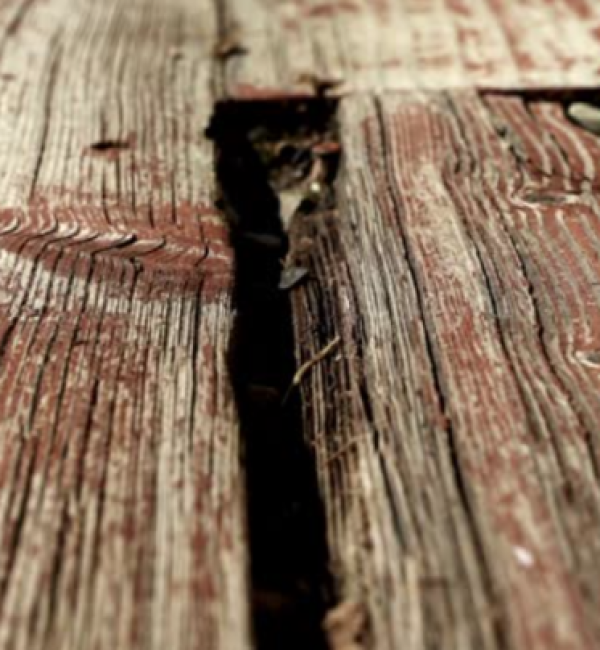
Austin’s weather creates a combination of stressors on exposed wood that is more aggressive than what homeowners in most other parts of the country experience. Each of these factors alone causes damage. Together, they significantly accelerate wood degradation.
UV Damage
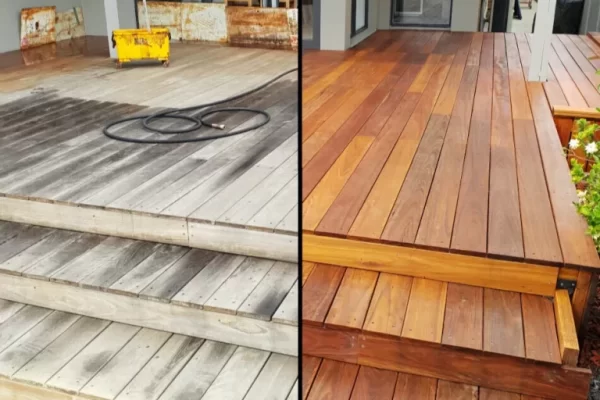
Austin averages over 300 days of sunshine per year, with UV intensity among the highest in the continental United States. Direct UV exposure breaks down the lignin in wood fibers, causing the surface to become gray, brittle, and prone to splintering. Boards crack along the grain and lose structural cohesion over time. UV-blocking stain absorbs and deflects ultraviolet radiation before it reaches the wood, dramatically slowing this process.
Moisture and Seasonal Rain
Spring and fall in Austin bring periods of heavy rainfall. Untreated wood absorbs moisture readily, causing fibers to swell. When the sun returns, the wood dries and contracts. This wet-dry cycling causes boards to warp, cup, split, and develop internal cracks that trap moisture and promote rot. Sealing the surface forces water to bead and run off instead of soaking into the grain.

Heat Expansion and Cracking
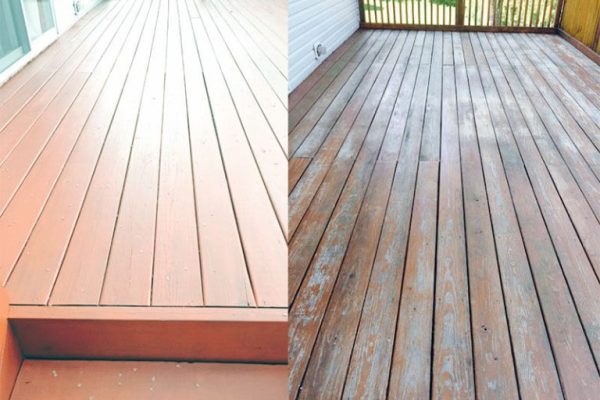
Daily temperature swings in Austin during summer can exceed 30 degrees between morning and afternoon. Untreated wood expands in the heat and contracts as temperatures drop in the evening. This daily expansion-contraction cycle opens surface cracks, loosens fastener connections, and creates entry points for moisture and insects. Stain helps regulate the moisture content inside the wood, keeping it more dimensionally stable through these temperature swings.
Insect Prevention
Carpenter ants, termites, and other wood-boring insects are active throughout the Austin area. Weakened, untreated wood with surface cracks and moisture content is more attractive to these insects than well-maintained, stained wood. Professional staining is not a substitute for pest treatment. Still, it helps maintain the wood’s structural integrity and makes it a less appealing target for insects looking for weakened material to colonize.

Our Staining Process
Inspection and Prep Assessment
Before we apply any product, we inspect the full condition of the deck. If we find rotted boards, loose fasteners, structural damage, or areas where the wood is too compromised to hold stain, we recommend deck repair before staining. Applying stain over damaged or deteriorated wood wastes the product and your money. The stain will not adhere properly to compromised surfaces, and the underlying damage will continue to worsen beneath the finish.
Surface Preparation
This is the step that separates professional staining from DIY results. We clean the entire deck surface using wood-safe cleaning solutions that remove dirt, mildew, and oxidation without damaging the wood fibers. If a previous stain coat is peeling, flaking, or failing, we strip it down to bare wood using appropriate methods for the wood type. We sand rough areas, smooth raised grain, and ensure the entire surface is clean, dry, and ready to absorb new stain evenly. Proper preparation is what makes the difference between a stain job that lasts two to three years and one that starts failing within months.
Stain and Product Selection
We select the right product based on your specific wood type, the amount of sun exposure your deck receives, the level of color you want, and the durability characteristics your situation requires. Transparent stains show the full natural wood grain and provide UV protection with minimal color change. Semi-transparent stains add color tint while still showing wood texture and grain patterns. Solid stains provide the most UV protection and color coverage but obscure the natural grain. We recommend products that are specifically formulated and tested for high-heat, high-UV environments. For more on how different materials and finishes perform in Texas, see our materials guide for Texas weather.
Professional Application
We apply stain using brushes, rollers, or professional sprayers depending on the deck’s design, size, and the product being used. Every board, step, railing component, and detail receives even, thorough coverage. We pay special attention to end grain, joints, board edges, and the underside of railings where moisture typically enters first and stain is most often missed by less experienced applicators. Consistent coverage across every surface is what provides uniform protection and appearance.
Curing and Cleanup
After application, stain needs dry weather and moderate temperatures to cure properly. We time our projects around Austin’s weather patterns and monitor forecasts throughout the application window. Applying stain before rain or in extreme heat compromises the finish. Once the stain has cured, we clean up all materials, equipment, and protective coverings from your property.
When to Stain Your Deck in Austin
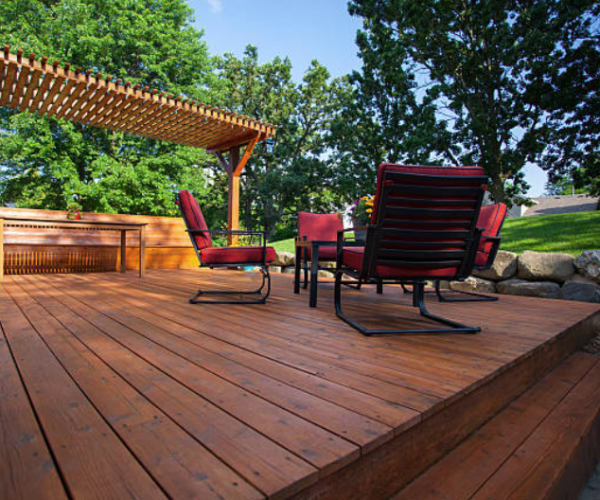
The best time to stain a deck in Austin is spring, from March through May, or fall, from September through November. These windows offer the moderate temperatures and lower humidity that allow stain to absorb properly and cure fully. Avoid staining during peak summer heat, which causes stain to dry too rapidly on the surface before it can penetrate into the wood grain, resulting in poor adhesion and premature failure.
New pressure-treated lumber needs several weeks of drying time after installation before it will accept stain. The wood arrives from the mill saturated with treatment chemicals and moisture. Applying stain too early traps this moisture inside and causes the finish to blister and peel. Cedar and hardwoods can typically be stained sooner after installation. We advise on the right timing for your specific materials.
Staining as Part of Ongoing Deck Maintenance
Regular staining on a two to three year cycle is one of the most cost-effective ways to extend your deck’s lifespan and reduce the need for expensive structural repairs down the road. Wood that is consistently protected degrades far more slowly than wood that goes unprotected for extended periods. If your deck already has damage beyond what staining alone can address, we can combine repair work with staining in a single project for efficiency. If the deck is beyond repair, full replacement with new materials and a fresh protective finish may be the better long-term investment.
Serving Austin and Surrounding Areas
We stain decks across the full Austin metro including Round Rock, Cedar Park, Georgetown, Pflugerville, Lakeway, Bee Cave, Leander, and West Lake Hills.
Schedule a Free Staining Estimate
We inspect your deck, assess its current condition, recommend the right products for your situation, and provide a clear written quote with no hidden fees. Request your free estimate.
Frequently Asked Questions
How often should I stain my deck in Austin?
Every two to three years for most wood decks in the Austin area. The intense UV exposure and seasonal moisture cycles in Central Texas break down stain faster than in cooler or drier climates. Decks with heavy southern or western sun exposure may need staining closer to every two years.
What type of stain do you use?
We use premium, UV-resistant stains and sealants specifically selected for high-heat, high-UV environments like Central Texas. We choose products based on your wood type, sun exposure, and desired appearance. We offer transparent, semi-transparent, and solid color options.
Do you stain composite decks?
Composite decking generally does not need staining because the color is integrated into the material during manufacturing. However, some older composite boards that have faded or become discolored can benefit from specialized composite stain products. We assess your specific situation and advise accordingly.
Can you stain a new deck right after installation?
New pressure-treated lumber needs several weeks of drying time before it will absorb stain properly. Applying stain too early traps moisture inside the wood and causes the finish to peel or bubble. Cedar and hardwoods can usually be stained sooner. We advise on the right timing based on your specific materials and installation date.
What is the difference between staining and sealing?
Stain penetrates the wood grain and adds color while providing UV protection that prevents fading and fiber breakdown. Sealer creates a surface barrier against moisture without significantly changing the wood’s color. We typically apply both for complete protection, or use a combination stain-and-seal product that handles both functions in one application.
How long does professional deck staining take?
Most staining projects take one to two days depending on the size of the deck, the condition of the existing surface, and how much preparation work is needed. Weather must be dry with moderate temperatures for proper application and curing.