
Deck Repair Austin TX
Honest Assessments and Lasting Fixes for Austin Decks
Request Free Estimate
Precision Deck Builders provides professional deck repair for homeowners across Austin and Central Texas. We fix loose boards, rotted wood, wobbly railings, sagging beams, damaged stairs, sinking posts, and structural issues that compromise the safety and usability of your outdoor space.
Not every aging deck needs a full tear-out and replacement. If the structural framing is solid, targeted repairs can save you thousands of dollars and extend the life of your existing deck by years. The key is an honest assessment of what is actually wrong and whether repair or replacement is the more practical path forward.
With over 13 years of experience working on Austin decks, we understand how the combination of Texas heat, UV exposure, seasonal moisture, clay soil movement, and insect activity takes a toll on outdoor structures in ways that are different from other markets. We are fully insured and provide free on-site estimates for all repair work.
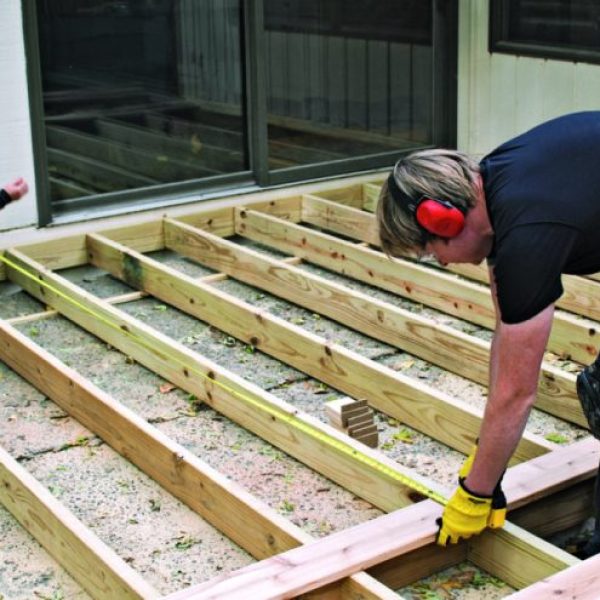
Common Deck Problems We Fix
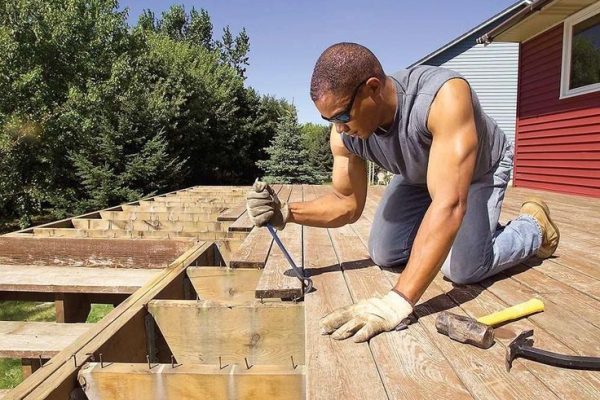
Rotted and Damaged Boards
Austin’s combination of intense summer sun and periodic heavy rain accelerates wood decay more quickly than most homeowners expect, especially on decks that have not been stained or sealed regularly. UV breaks down the wood surface, while moisture penetrates the grain and promotes rot from within. We remove and replace individual boards, matching your existing material and stain color as closely as possible. If rot has spread across multiple boards or into a larger area, we evaluate whether section replacement or a broader repair makes more practical and financial sense.
Wobbly and Broken Railings
Unstable railings are one of the most common safety issues we encounter on Austin decks. Railing posts loosen over time from a combination of wood shrinkage as the material dries, corrosion of the original fasteners from moisture exposure, and soil movement beneath the footings that shifts the structural connection points. Loose or broken railings are not just cosmetic problems. They are safety hazards, particularly for homes with children, elderly family members, or elevated decks where the railing is the only barrier. We tighten, reinforce, or replace railings and balusters to meet current building codes.

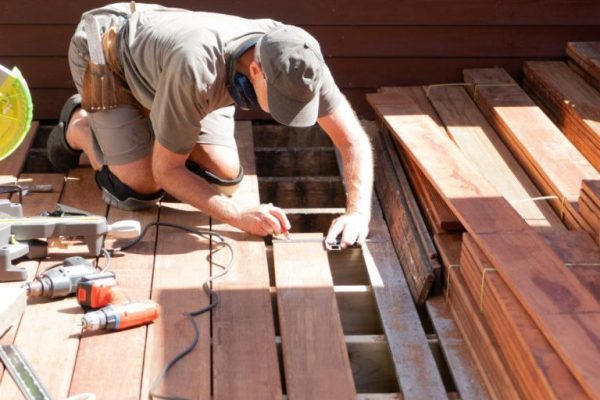
Sagging Joists and Beams
When a deck feels bouncy, spongy, or uneven underfoot, the issue is almost always beneath the surface in the structural framing. Joists and support beams weaken over time from sustained moisture exposure, insect activity that hollows out the wood internally, or undersized framing in the original build that was never adequate for the load. We access the framing from below, identify which members are compromised, and reinforce or replace them to restore the deck’s structural load capacity and stability.
Sinking Posts and Footing Failure
Austin’s expansive clay soil is the root cause of most footing problems in the metro. The soil swells when it absorbs moisture during rainy periods and shrinks during dry months, creating a continuous cycle of ground movement that pushes and pulls on deck footings. Over time, this causes posts to shift laterally, lean to one side, or sink below their original position. In severe cases, the deck pulls away from the house at the ledger board connection, which is a serious structural and safety concern. We dig, reset, or reinforce existing footings based on the extent of movement and the soil conditions. For more on how Austin soil affects deck foundations, read our guide on why deck footing matters for Austin soil.


Damaged or Unsafe Stairs
Cracked treads, loose or detached stringers, and uneven step heights are accident risks that worsen over time. Deck stairs in Austin take extra abuse from thermal expansion cycles and direct weather exposure. We rebuild stairs to be stable, level, and code-compliant. If the existing stair configuration is impractical or poorly positioned, we can redesign the layout during the repair to improve both function and safety.
Water Pooling and Drainage Issues
Improper drainage leads to standing water on the deck surface, which accelerates rot, promotes mold and mildew growth, causes stain failure, and makes the surface slippery and unsafe. Water that collects underneath the deck structure is equally problematic, creating conditions that attract insects and cause the underside of joists and beams to decay. We correct surface grading, adjust board spacing to allow proper water flow, and install drainage improvements where needed to keep water moving off and away from the deck.

Our Repair Process
Every repair project starts with a thorough on-site evaluation. We inspect the entire deck structure, including surface boards, railings, stairs, the framing underneath, post connections, footings, and the ledger board attachment to your house. We identify every issue we find, not just the visible ones, and give you an honest recommendation about whether repair is the right path or whether the scope of damage points toward replacement being the better investment.
You receive a written estimate with an itemized breakdown of each repair, the materials required, and the labor involved. No vague line items, no guesswork, no hidden charges. We walk you through the repair plan and timeline before any work begins.
After the repair is complete, we can also apply professional staining and sealing to protect the repaired areas and the rest of the deck surface. Combining repair and staining into a single project is more efficient and ensures the entire deck has consistent protection going forward.

Repair vs. Replace: How We Help You Decide
This is one of the most important decisions we help homeowners make. If less than 25 to 30 percent of the deck shows damage and the underlying framing, posts, and footings are structurally sound, repair is almost always the better financial decision. The investment is smaller and the deck gains years of additional useful life. When damage is widespread, the framing is compromised, the deck does not meet current building codes, or the design no longer fits how you use the space, full deck replacement becomes the smarter long-term investment. We present both options with clear numbers so you can make an informed decision based on your situation and budget.
Why Austin Decks Deteriorate Faster Than You Expect
The combination of 100-degree summers, intense UV exposure year-round, expansive clay soil that never stops moving, and seasonal rain patterns that cycle between saturation and drought creates one of the harshest environments for outdoor wood structures in the country. Decks in Austin need proactive maintenance to last, and even well-maintained decks develop issues over time that need professional attention. Many of the common deck building mistakes we see in Austin stem from original builders who did not account for these local conditions in their materials, footing design, or construction methods.
Serving Austin and Surrounding Areas
We repair decks across the full Austin metro including Round Rock, Cedar Park, Georgetown, Pflugerville, Lakeway, Bee Cave, Leander, and West Lake Hills. Within Austin, we serve every neighborhood from Downtown to the Hill Country.
Schedule a Free Repair Estimate
We will come to your property, inspect your deck from surface to structure, and give you an honest assessment with a detailed written quote. No pressure, no obligation. Request your free estimate.
Looking for a brand new deck instead of repairs? See our deck installation services.
Frequently Asked Questions
How do I know if my deck needs repair or replacement?
If damage covers less than 25 to 30 percent of the deck and the framing is structurally sound, repair is usually the better and more cost-effective option. If structural failure is widespread, the deck does not meet current codes, or the layout no longer works for your needs, replacement may be the smarter investment. We assess every deck honestly and present both options with clear numbers.
What types of deck damage can you repair?
We repair loose, warped, or rotted boards; wobbly or broken railings; sagging joists and beams; damaged or unsafe stairs; sinking or leaning posts; water pooling and drainage issues; and insect damage to structural members.
How long does a typical deck repair take?
Most repairs take one to three days, depending on the scope of work. Larger structural repairs, such as joist replacement or footing work, may take up to a week. We provide a realistic timeline during the estimate.
Can you match my existing deck materials?
In most cases, yes. We match existing wood species, board profiles, and stain colors as closely as possible. If an exact match is no longer available, we discuss alternatives that blend well with the existing structure.
Do you repair composite decks?
Yes. We repair and replace boards on composite decks from Trex, TimberTech, Fiberon, and other brands. Composite damage is less common than wood but can occur from impact, improper original installation, or structural issues underneath the surface.
Is it worth repairing an old deck?
If the framing, posts, and footings are solid, repairing surface damage and reinforcing weak points can extend the deck’s usable life by five to ten years at a fraction of the cost of a full replacement. We give honest assessments during every free estimate.