
Cedar Deck Installation Austin TX
Natural Wood Decking Built for Austin’s Climate
Request Free Estimate
Precision Deck Builders installs premium cedar decks for homeowners across Austin and Central Texas. Cedar is the natural wood option that performs best in this climate. It resists rot, repels insects, and handles moisture better than most softwoods without requiring chemical pressure treatment. For homeowners who want the look, feel, and warmth of real wood on their deck, cedar is the strongest choice we offer. We have built hundreds of cedar decks across Austin and surrounding communities over the past 13 years.
We source premium-grade Western Red Cedar and build decks engineered for Austin’s specific conditions: expansive clay soil that requires deeper footings, intense UV exposure that demands proper staining from day one, and seasonal moisture cycles that stress every joint and connection. We have been building cedar decks across Austin for over 13 years and understand exactly how this material behaves in Central Texas. Every project includes design, footing engineering, permits, construction, and an initial protective stain application. Contact us for a free estimate.
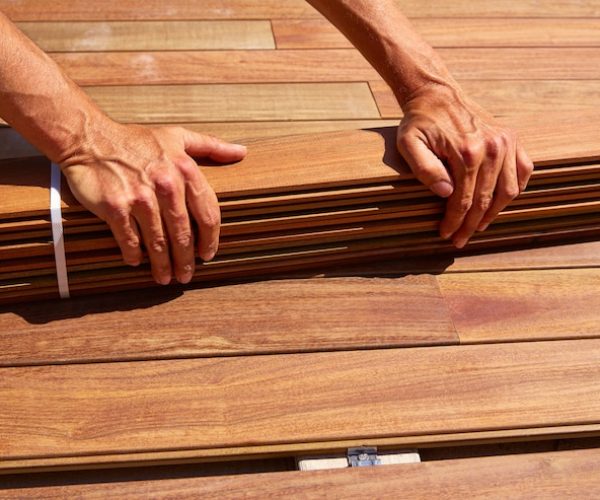
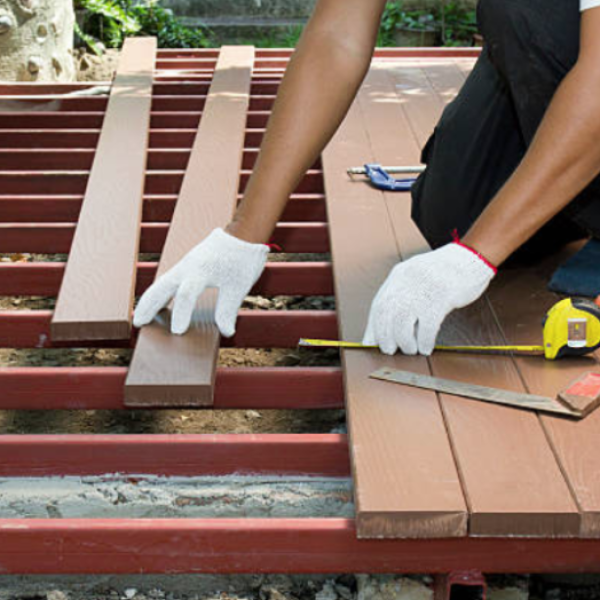
Why Cedar Outperforms Other Natural Woods
Cedar has natural oils that make it resistant to decay and insect damage. Unlike pressure-treated pine, which relies on chemical infusion for protection, cedar’s resistance comes from the wood itself. This means no chemical leaching, no green tint from treatment, and a natural aroma that fades gracefully over time.
The grain structure of Western Red Cedar is tight and consistent, which gives it dimensional stability. It shrinks and swells less than most woods during moisture cycles, reducing the warping, cupping, and twisting that plague pressure-treated decks in Austin’s humid summers and dry winters. Cedar is also lighter than most hardwoods, making it easier to work with during construction and placing less load on the substructure. For a full comparison of how cedar stacks up against composite and other materials, see our deck materials guide for Texas weather.
Cedar and Austin's Climate
Austin’s climate is the biggest factor in how any deck material performs. Cedar handles the heat well, but UV exposure is the primary threat. Unprotected cedar will gray and lose its color within a few months of direct sun exposure. Professional staining with UV-blocking products is essential from the first day the deck is built. We apply an initial coat of premium stain as part of every cedar deck installation, and we recommend professional re-staining every two to three years to maintain both protection and appearance.
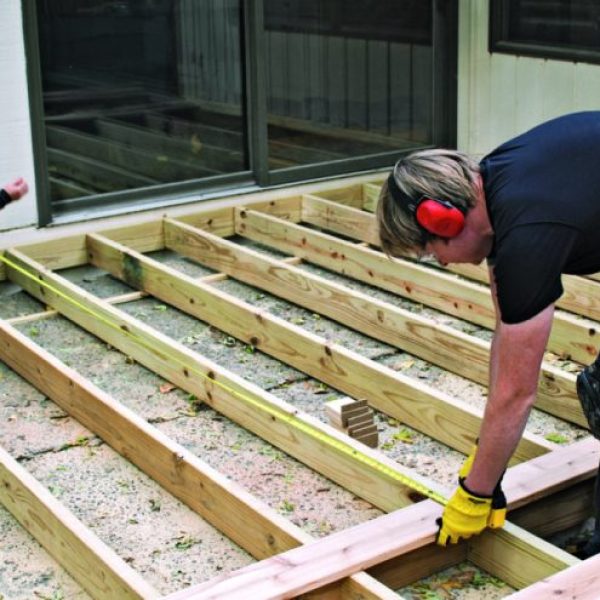
The soil under most Austin properties is expansive clay that swells with moisture and contracts during dry periods. This ground movement transfers stress to deck footings year after year. We engineer footings for clay soil conditions on every cedar deck project, going deeper than minimum code when the site assessment calls for it. Our guide on why footing depth matters for Austin soil explains the mechanics in detail.

Where Cedar Decks Work Best
Cedar is the material we recommend most often for homes with a traditional, craftsman, or Hill Country architectural style. The warm tones and natural grain complement stone, brick, and stucco exteriors in a way that composite boards cannot fully replicate. Homeowners in West Lake Hills, Lakeway, and Bee Cave frequently choose cedar because the natural aesthetic matches the Hill Country character of their homes and landscapes.
Cedar also works well for elevated decks, multi-level designs, and smaller backyard platforms. The lighter weight of cedar compared to hardwoods like ipe or tigerwood means the substructure does not need to be as heavily engineered, which can reduce overall project cost on elevated builds.
Cedar vs Composite: The Real Tradeoff
The honest comparison comes down to a commitment to maintenance. Composite decking requires almost zero maintenance beyond occasional cleaning. Cedar requires staining every two to three years and occasional board replacement as individual pieces weather. Homeowners who are willing to invest in periodic maintenance get a deck that looks and feels like real wood because it is real wood. Homeowners who want zero upkeep should go with composite.
Cedar also tends to cost less upfront than premium composite lines from Trex or TimberTech, though the ongoing staining cost narrows the gap over time. The decision ultimately comes down to which set of tradeoffs you prefer.

Our Cedar Deck Build Process
We start with an on-site visit to evaluate your property, measure the space, assess soil conditions, and discuss design options. After finalizing the plan, we coordinate permits through trusted partners and begin construction. Framing is built with pressure-treated lumber rated for ground contact. Cedar boards are installed with stainless steel or coated fasteners that resist corrosion and staining. We finish every cedar deck with a professional-grade UV-resistant stain before handoff. For more on what a full professional deck installation includes, see our service page.
Serving Austin and Surrounding Areas
We install cedar decks throughout Austin and surrounding cities, including Round Rock, Cedar Park, and Georgetown. Each area has different soil conditions, HOA landscapes, and architectural styles that we factor into every cedar deck design.
Get a Free Cedar Deck Estimate
We bring cedar samples to your property so you can see and feel the wood in context. We walk the space, discuss design options, and provide a detailed written quote. Schedule your free estimate.
Frequently Asked Questions
Why choose cedar for a deck in Austin?
Cedar is naturally resistant to rot, insects, and moisture without chemical treatment. It handles Austin’s heat better than most softwoods and has a warm, natural appearance that many homeowners prefer over composite or pressure-treated lumber. It does require periodic staining to maintain protection and color.
How often does a cedar deck need to be stained in Austin?
In Austin’s climate, we recommend staining cedar every two to three years. The intense UV exposure and seasonal rain cycles break down surface protection faster here than in milder climates. Professional staining extends the life of the wood and keeps it looking its best.
How long does a cedar deck last in Central Texas?
With proper maintenance, including regular staining and minor repairs, a well-built cedar deck in Austin can last 20 to 30 years. The natural durability of Western Red Cedar, combined with professional-grade construction and footing engineering, ensures a long lifespan even in this demanding climate.
Is cedar more expensive than pressure-treated wood?
Cedar costs more per board foot than pressure-treated lumber. The premium is typically 30 to 50 percent higher for materials. However, cedar does not require the same chemical treatment and has natural properties that many homeowners feel justify the additional cost.
What grade of cedar do you use?
We source premium-grade Western Red Cedar for all deck projects. This is the same species used in high-end construction across the Pacific Northwest. We select boards for consistency, minimal knots, and straight grain to ensure the finished deck looks uniform and performs well.
Can you repair or re-stain an existing cedar deck?
Yes. We handle cedar deck repair, including board replacement, railing fixes, and structural work. We also provide professional staining services for existing cedar decks. If your cedar deck is showing wear but the structure is sound, refinishing is often the smart move before considering replacement.