
Deck Design Austin
Layouts Engineered for Your Property, Not Downloaded from a Template
Request Free Estimate
Precision Deck Builders provides professional deck design as part of every installation project we take on in Austin and Central Texas. Design is not a separate service you pay for. It is the foundation of how we approach every build. We assess your property, understand how you want to use the outdoor space, and create a layout that accounts for your lot’s terrain, soil conditions, sun exposure, drainage, architectural context, and lifestyle before any construction begins.
For over 13 years, we have been designing decks for Austin properties of every type. The design experience we have accumulated across hundreds of local projects means we have already solved similar challenges to those your property presents. We bring that experience to every new design conversation.
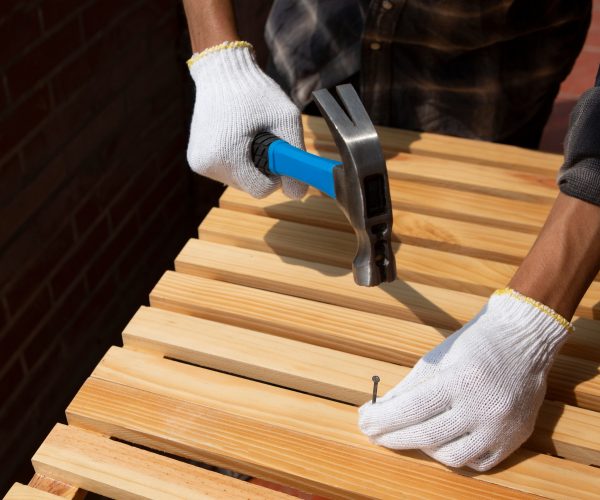
How We Approach Deck Design
Every design starts with a property visit, not a catalog or a preset menu of deck shapes. We spend meaningful time on your lot observing conditions that affect how the deck should be positioned, sized, oriented, and built.

Site Assessment
We evaluate the terrain including any slope or grade change, the soil type and how it will affect footing placement and depth, existing drainage patterns and how the deck will interact with water flow, sun exposure throughout the day including morning, midday, and afternoon angles, shade from trees and neighboring structures, wind exposure particularly on elevated or hilltop lots, privacy sight lines from and toward neighboring properties, and the connection point between the deck and your home. This assessment tells us what the lot can support, where the deck should sit, and what engineering the foundation requires. Read more about why footing engineering matters for Austin soil.
Lifestyle Conversation
After the site assessment, we discuss how you plan to use the space. Family meals, entertaining groups, quiet morning coffee, grilling and outdoor cooking, a play area for children, a pool surround, a hot tub platform, or a combination of several uses. The answer determines the layout. A deck designed primarily for large group entertaining needs different proportions, traffic flow, and features than one designed for a couple who want a private retreat. We design for how you will actually live on the deck, not for a generic use case.


Material and Feature Selection
With the site conditions and lifestyle goals established, we discuss material options. We explain how composite, cedar, pressure-treated, and exotic hardwood options perform specifically in Austin’s climate based on our direct field experience installing and observing these materials over 13 years. We also discuss features, including railing styles, stair placement and configuration, lighting, pergolas, built-in seating, privacy screens, and any custom elements you want. All decisions are made during this phase, so construction proceeds without stops. For detailed material comparisons, see our materials guide for Texas weather.
Design Types We Create
Ground-Level Designs
Ground-level decks sit close to grade and create smooth transitions from interior spaces to the yard. They are ideal for flat lots, first-floor access, and homeowners who want a clean platform for outdoor living without the complexity of elevated construction. We design ground-level layouts that maximize usable area, ensure proper drainage beneath the structure, and create intentional flow among the house, deck, and surrounding landscape.
Elevated and Multi-Level Designs
Elevated decks are required when the home’s main living level sits above grade or when the lot slopes away from the house. Multi-level designs use the grade change as a design feature, creating tiered zones at different elevations for different activities. These designs require more complex structural engineering with independent footings at each level, but they produce the most dramatic and functionally diverse outdoor spaces. Multi-level builds are especially common in West Austin, Zilker, Barton Hills, and the Hill Country cities.
Pool Deck Designs
Pool decks require materials that handle constant moisture, direct sun, chemical exposure, and barefoot traffic. The layout must accommodate the pool’s shape, equipment access, safety setbacks, and how people move between the pool, the deck, the house, and the yard. We design pool surrounds that integrate with the pool’s geometry and the overall outdoor space.
Wraparound and L-Shaped Designs
These layouts extend the deck along two or more sides of the home, creating larger outdoor living areas and multiple access points from different rooms. Wraparound designs work well for homes where the kitchen opens to one side and the living room opens to another. L-shaped layouts create defined zones within a single deck level. Both require careful planning of structural transitions at the corners and how stairs and railings interact with the home’s exterior.
Compact Urban Designs
Smaller lots in Downtown Austin, East Austin, Travis Heights, and other urban neighborhoods require designs that maximize outdoor living in tight footprints. Every square foot must serve a purpose. We use built-in elements that reduce the need for freestanding furniture, vertical features that create a sense of enclosure without encroaching on floor space, and creative layouts that make small decks feel larger than their dimensions suggest.

Design for HOA and Historic District Requirements
Many Austin neighborhoods have HOA architectural review processes or historic overlay zone guidelines that affect what can be built and how it must look. We research the specific requirements for your property during the design phase and create a design that meets those guidelines before submission. This prevents the rejection-revision-resubmission cycle that delays projects when requirements are not addressed upfront.
From Design to Construction
Design is the first phase of our complete deck installation process. Once the design is finalized and approved, we move into permitting, then construction, then finishing. Every decision made during design carries through to the build without gaps or reinterpretation. The crew that builds your deck works from the same design that you approved. If your existing deck’s design no longer works for the way you use the space, a deck replacement lets you start fresh with a new layout.
Areas We Design For
We design decks throughout the Austin metro, including all Austin neighborhoods, Round Rock, Cedar Park, Lakeway, Bee Cave, West Lake Hills, Georgetown, Pflugerville, and Leander.
Start Your Design Today
Schedule a free on-site estimate where we assess your property and begin the design conversation. Request your free estimate.
Frequently Asked Questions
Do you charge for deck design?
No. Design is included as part of our installation service. We assess your property, discuss your goals, and create a custom layout during the free estimate phase. You do not pay separately for design.
How long does the design phase take?
Most homeowners finalize their design within one to two weeks. This includes the on-site property visit, design conversation, material selection, and scope finalization.
Can I change the design during construction?
Minor adjustments are sometimes possible, but significant design changes during construction add cost and delay the timeline. We finalize all major decisions during the design phase before construction begins.
Do you work with architects?
Yes. Some projects, particularly in West Lake Hills and Lakeway, involve coordination with architects. We collaborate on structural requirements and ensure the deck integrates with the overall home design.
What information do I need before the design visit?
You do not need to prepare anything specific. Having a general sense of how you want to use the space and any material preferences is helpful, but we guide the entire conversation during the visit.
Can you design around existing trees and landscaping?
Yes. Preserving mature trees and working around existing landscaping are standard parts of our design process. We plan layouts that respect root zones and canopy patterns rather than requiring removal.