
How to Turn a Deck into a Complete Outdoor Room
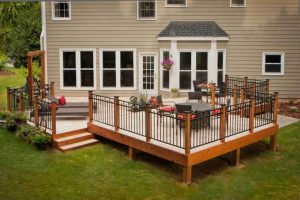
A deck is a platform. An outdoor living space is a room without walls. The difference is in the features, the layout, and how the space is designed for the way you actually live outside. Our custom deck builders team designs integrated outdoor spaces that go beyond the basic platform to create areas that feel like genuine extensions of your home. This guide covers the features and design ideas that transform a deck from a simple add-on into a space your family uses every day.
We have been building decks and outdoor living spaces across Austin for over 13 years. The trend toward more complete outdoor rooms has accelerated significantly in recent years as homeowners invest in the spaces where they spend the most time.
Shade Structures
Shade is the most impactful feature you can add to a deck in Austin. Without it, the deck is uncomfortable for much of the day in summer. A pergola is the most popular shade option we build. Traditional pergolas with open slats provide filtered shade and visually define the space. Solid-cover pergolas provide full shade and rain protection, creating a truly all-weather outdoor room.
Pergola posts extend through the deck surface and anchor to their own independent footings below. The pergola structure supports its own weight and any wind loads rather than relying on the deck framing. This means the pergola can be designed and sized independently of the deck layout. Shade sails are a lighter alternative that can be added without structural modifications, but they are less permanent and less visually integrated than a built pergola.
Built-In Seating
Built-in bench seating along the deck perimeter is the second-most-requested feature across our Austin projects. Benches serve double duty: they provide seating without the clutter of freestanding furniture, and they create a visual border that defines the deck space. Benches can be backless for a clean, modern look or include backrests for comfort. Storage compartments built into bench seats add concealed space for cushions, pool toys, or outdoor supplies.
The placement of built-in seating affects how the deck functions. Benches along the outer edge create an amphitheater effect, facing inward toward a central gathering area. L-shaped bench configurations in a corner create a conversation nook. Benches flanking a fire pit or dining table create intimate groupings that encourage lingering.
Outdoor Cooking and Dining
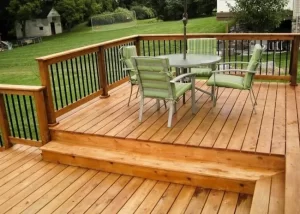
Grill stations are the entry point for outdoor cooking on a deck. A dedicated grill zone with a countertop surface for prep and plating keeps the cooking area organized and separate from the dining space. More ambitious outdoor kitchen setups include built-in gas grills, countertops, storage cabinets, and sometimes sinks or refrigerators. These installations require gas line routing, structural reinforcement for heavier materials, and heat shielding between the cooking area and composite decking.
A defined dining zone with a table sized for your typical gathering is the most used feature on any deck. Position it for the view if you have one, for shade coverage, and for proximity to the cooking area. The dining zone is where the most time gets spent, so it is worth giving it the best location on the deck.
Fire Features
A fire pit or fireplace creates a gathering point that extends deck use into cooler evenings and through the mild Austin winter months. Fire pits can be built into a lower tier of a multi-level deck or placed on a dedicated pad. Gas fire pits are the most practical option for a composite deck because they eliminate the risk of sparks and do not produce the ash and heat that wood-burning pits do. The gas line can be routed during construction for a clean, permanent installation.
Lighting
Outdoor lighting extends the deck’s usable hours and adds safety and ambiance after dark. Post cap lights on railing posts provide ambient perimeter lighting. Step lights on stair risers add safety on level changes. Under-rail lighting creates a subtle glow that illuminates the deck surface without overhead glare. String lights across a pergola create a casual, warm atmosphere. Low-voltage LED systems are the standard for deck lighting because they are energy-efficient, cool to the touch, and available in a wide range of fixtures.
Planning the Full Space
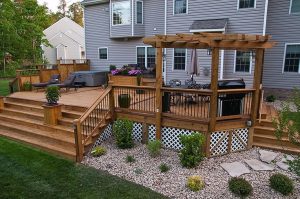
The best outdoor living spaces are designed as a unified project rather than assembled one feature at a time. When shade, seating, cooking, dining, lighting, and fire features are planned together, the layout flows naturally, and infrastructure such as gas lines, electrical systems, and structural reinforcement can be installed during the initial build rather than retrofitted later. Retrofitting is always possible, but it costs more and often requires removing and replacing sections of the existing deck to access the substructure.
During the free estimate visit, we discuss all the features you are interested in, help you prioritize within your budget, and design a layout that integrates everything into a cohesive outdoor room. Features that do not fit the initial budget can be designed into the plan as future additions, with the necessary infrastructure roughed in during the initial build. For more on how deck cost factors work, see our cost guide.
Get Your Outdoor Living Space Designed
We design and build complete outdoor living spaces across Austin and all surrounding areas. Schedule your free estimate, and we’ll start with a conversation about how you want to live outside.