
How to Design a Deck That Handles Wet Conditions and Texas Heat
Designing a deck around a pool in Texas is not the same as designing a standard backyard deck. The material, drainage, surface texture, and layout all need to account for constant moisture, chlorine exposure, extreme heat, and barefoot traffic. Getting these details right makes the difference between a pool deck that performs for decades and one that develops problems within a few years. Our pool deck builders page covers the full scope of how we build pool decks in Austin, and this guide focuses on the design considerations that drive the best results.
We have been building pool decks across Austin for over 13 years. These tips are based on what we have learned from building around pools in every type of lot condition and community across the metro.
Material Selection
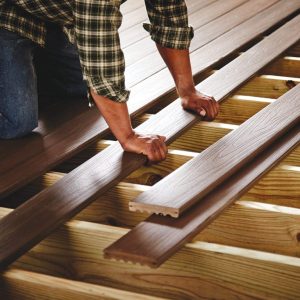
Material choice is the single most important design decision on a pool deck. The wrong material in a pool environment degrades faster, creates safety hazards, and costs more to maintain than the same material on a dry deck. Composite and PVC decking are the strongest choices for pool environments. They resist moisture absorption, mold growth, and chlorine exposure. TimberTech AZEK, a 100% PVC product, is the most moisture-resistant option available because it contains zero wood fibers. Standard composite boards from Trex, TimberTech, and Fiberon also perform well around pools.
Ipe hardwood is a premium alternative for homeowners who want natural wood around their pool. The extreme density of ipe resists moisture absorption and provides natural slip resistance when properly maintained. The tradeoff is periodic oiling to maintain the color and a higher upfront material and labor cost.
Pressure-treated wood is the one material we do not recommend for pool decks. It absorbs moisture readily, promotes splinter development in wet conditions, and degrades faster in the constant-moisture environment around a pool than in a standard backyard application.
Drainage Planning
Water management is the most critical engineering consideration on any pool deck. Splash water, rain, and hose-down cleaning all need somewhere to go. The deck surface must slope away from both the house and the pool edge, directing water toward landscape areas or designated drainage collection points. Standing water on a pool deck is a safety hazard and accelerates the deterioration of any material.
Board gap spacing on pool decks is calibrated differently from standard decks. The gaps need to be wide enough for water to drain through but narrow enough for barefoot comfort. We follow manufacturer wet-application specifications, which are tighter than standard dry-application gaps. The substructure below the deck also needs attention because it sits in a perpetually moist environment. More on substructure protection in our guide about deck footing and Austin soil.
Heat Management
Every exterior surface absorbs heat in the direct Texas sun. On a pool deck where people walk barefoot, surface temperature is a real comfort factor. Lighter composite colors stay measurably cooler than darker ones. The temperature difference between a light gray composite board and a dark brown one in direct afternoon sun can be 10 to 15 degrees or more, which is enough to affect whether people walk comfortably to the pool or sprint across a hot surface.
Shade structures integrated into the pool deck design make a significant difference. A pergola or shade sail over the lounging area keeps that section of the deck comfortable even in peak summer. We can design shade features as part of the initial pool deck build or as a future addition. Orienting the deck so the primary seating area falls in afternoon shade from the house or trees also reduces heat exposure without adding cost.
Layout and Sizing
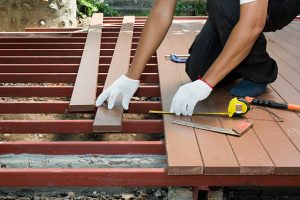
A pool deck needs to be wide enough for comfortable circulation, lounge chair placement, and any additional features you want. We recommend a minimum of 6 to 8 feet of clear deck width around the pool perimeter for basic circulation. Wider sections of 10 to 12 feet or more on one or two sides create space for lounging, dining, or a built-in bench. The layout should account for how you actually move around the pool: where people enter from the house, where the towel and drink staging area naturally falls, and where the sun hits at different times of day.
For homes where the pool deck is part of a larger outdoor living area, the deck can extend beyond the pool perimeter to include a dining zone, a grill station, or a conversation area that connects to the pool but serves as its own functional space. Our custom deck design process addresses these layout questions during the estimate visit.
Coordination with Pool Contractors
Suppose you are building a new pool and want decking instead of concrete or pavers, timing matters. Deck footings need to be positioned relative to the pool shell, and the construction sequence needs to be coordinated between the pool contractor and our team. We typically install footings during or shortly after pool construction and complete the deck surface after the pool is finished and the surrounding grade is established. For existing pools, we measure precisely around the pool edge and work around the existing infrastructure.
Get a Pool Deck Design
Every pool deck is a custom project based on pool size, shape, lot conditions, and how you want to use the space. Schedule your free estimate and we will design the project around your specific pool and property.