
 An Honest Comparison for Central Texas Conditions
Pressure-treated lumber and cedar are the two most common decking choices for Austin homeowners who prefer natural wood over composite. Both work in this climate. Both require regular maintenance. Both have specific strengths and tradeoffs. The right choice depends on your budget, aesthetic preferences, and your comfort with the maintenance commitment. Our wood deck builders page covers all the wood species we work with, and our cedar deck installation page goes deeper on that specific material.
We have been building both pressure-treated and cedar decks across Austin for over 13 years. This comparison is based entirely on our direct experience with how each material performs in Central Texas, not on manufacturer marketing.
Cost Comparison
Pressure-treated lumber is the less expensive option. The per-board-foot cost of pressure-treated pine runs 30 to 50 percent lower than that of premium-grade Western Red Cedar. On a typical residential deck, this translates to meaningful material cost savings. If your top priority is maximizing deck size within a fixed budget, pressure-treated gives you more square footage for the same investment.
Cedar costs more upfront, but the ongoing maintenance cost is roughly the same. Both wood types need staining every two to three years in Austin. Both may need occasional board replacement over their lifespan. The difference in total cost of ownership over 15 to 20 years is smaller than the upfront gap suggests because the recurring staining, maintenance, and occasional board replacement costs are roughly the same for both materials. Both require professional staining every two to three years at a comparable cost per application.
Appearance and Character
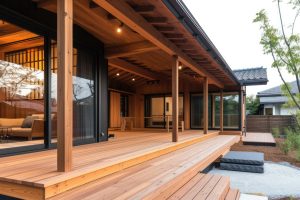
This is where cedar clearly sets itself apart. Cedar has a warm, natural grain with rich color tones that range from honey to reddish-brown. The grain pattern is tight and consistent, giving the finished deck a refined, natural appearance. Most homeowners who choose cedar do so primarily for this aesthetic quality.
Pressure-treated pine has a more utilitarian appearance. New pressure-treated boards have a greenish tint from the chemical treatment that fades over several weeks. The grain is more open and less consistent than cedar. With stain applied, pressure-treated wood can look attractive, but it does not match the natural character of cedar. If appearance is a primary concern and the budget allows for the material premium, cedar is the clearly better visual choice for most Austin homeowners.
Durability and Lifespan in Austin
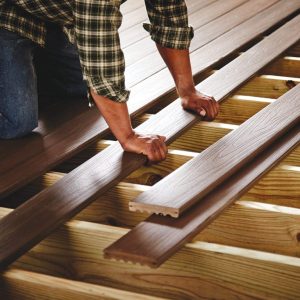
Cedar is naturally resistant to rot, insects, and moisture without chemical treatment. These natural properties give it a durability advantage over pressure-treated wood, which relies on chemical infusion for protection. In Austin’s climate, properly maintained cedar decks typically last 20 to 30 years. Pressure-treated decks last 15 to 20 years with the same maintenance. Both numbers assume consistent staining every two to three years. Without staining, both materials deteriorate significantly faster.
Cedar also has better dimensional stability than pressure-treated pine. It shrinks and swells less during moisture cycles, which means less warping, cupping, and twisting over time. In Austin, where seasonal moisture changes are significant, this stability advantage is noticeable after several years of service.
Maintenance Requirements
Both wood types require the same maintenance schedule in Austin: professional staining every two to three years, periodic board inspection and replacement, and keeping the surface clear of debris that traps moisture. Neither wood type is low-maintenance. The maintenance commitment is the same regardless of which wood you choose.
The difference is in how each wood ages between staining cycles. Cedar tends to gray more gracefully and retains a smoother surface texture as it weathers. Pressure-treated pine tends to gray unevenly, develop more surface cracking, and feel rougher underfoot as the stain wears off. Both effects are reversible with the next stain application, but cedar tends to look better in the gap between treatments.
Environmental Considerations
Cedar is a natural product that does not require chemical treatment. Some homeowners prefer this for environmental or health reasons, particularly for decks where children and pets play. Pressure-treated lumber uses chemical preservatives that are safe for residential use under current regulations, but are not chemical-free. The chemicals do not leach significantly under normal use according to current testing standards. Still, the distinction matters to some homeowners, particularly those building decks where young children and pets will spend time.
The Composite Option
If the maintenance requirements of both wood types sound like more than you want to commit to, composite decking eliminates the staining cycle. Composite costs more upfront than either wood option but requires near-zero maintenance over a 25- to 50-year lifespan. For a broader comparison across all materials, see our materials guide for Texas weather.
Get a Comparison Estimate
We bring samples of both woods to your property so you can see and feel the difference in context. We provide quotes for both options, using the same design so you can compare them side by side. Schedule your free estimate.