
What Round Rock Homeowners Are Building and Why
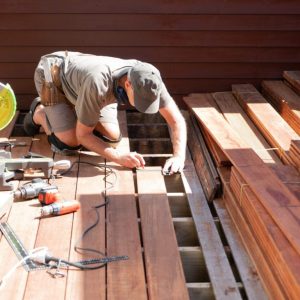
Round Rock has emerged as one of the strongest residential deck markets north of Austin. The city’s rapid growth over the past decade has brought thousands of new homes with backyards designed for outdoor living, and homeowners are investing in those spaces. We have been building decks in Round Rock for over 13 years and have seen the market shift from occasional requests to consistent, year-round demand.
This post covers what Round Rock homeowners are building, which materials and styles are trending, and what factors to consider before starting a deck project in this market. Our Round Rock deck builders page covers the full scope of our services in this area. Whether you are in one of the established neighborhoods like Brushy Creek or a newer community like Teravista, the trends shaping Round Rock deck construction are worth understanding before you invest.
Where the Demand Is Strongest
Brushy Creek
Brushy Creek is one of Round Rock’s largest and most established communities. Homes here range from the 1990s through recent builds, creating a mix of deck needs. Older homes are replacing aging wood decks or adding decks for the first time. Newer sections have homeowners making second-phase investments in outdoor living space after settling in. The lots in Brushy Creek are generally well-proportioned with mature landscaping that creates natural privacy for deck spaces. Both composite and cedar are popular material choices in this community.
Teravista
Teravista is a master-planned community with a golf course, community amenities, and a range of home styles. The neighborhood has a strong outdoor-living culture, driven by the course, the trails, and the community pools. Deck projects in Teravista tend to be composite builds designed for family entertaining. The HOA has architectural guidelines that we coordinate before construction. Properties along the golf course edges sometimes have views that elevated deck designs can capitalize on.
Forest Creek
Forest Creek is another established Round Rock community with a country club and golf course. Homes here tend to be larger with generous lot sizes that accommodate ambitious deck builds. Multi-level designs, outdoor kitchen integration, and large entertaining platforms are more common in Forest Creek than in Round Rock’s smaller-lot neighborhoods. The mature trees throughout the community create shade opportunities that affect deck placement and material selection.
Paloma Lake, Sendero Springs, and Mayfield Ranch
These newer communities represent the growth edge of Round Rock. Homes are typically less than 15 years old with modern floor plans and defined backyard spaces. Many were built with concrete patios but no deck structure. Homeowners in these communities are adding decks as a lifestyle upgrade, and composite decking is the dominant choice because its modern aesthetics complement contemporary home designs. Ground-level and slightly elevated builds are the most common configuration in these neighborhoods due to the relatively flat lot conditions.
Material Trends in Round Rock
Composite Dominates
Composite decking is by far the most requested material across Round Rock. The combination of realistic wood-grain appearance, fade resistance, and zero annual maintenance appeals to busy families who want an outdoor living space without the upkeep commitment. Trex, TimberTech, and Fiberon are the three brands we install most frequently. Lighter color tones are trending in Round Rock, both for aesthetic reasons and because lighter boards stay cooler in direct summer sun.
Cedar for Character
Cedar remains the top natural wood choice for Round Rock homeowners who prefer the character of real wood. Cedar is most popular in established neighborhoods like Brushy Creek and Forest Creek, where homes feature architectural styles that pair well with natural materials. The trade-off is maintenance: cedar in Round Rock’s climate needs professional staining every two to three years to maintain its appearance and protect it.
Pressure-Treated for Budget Builds
Pressure-treated lumber still has a place in the Round Rock market, primarily for homeowners who want to maximize deck size within a fixed budget. The material costs less per square foot than composite or cedar, which means more usable space for the same investment. The tradeoff is higher ongoing maintenance and a shorter lifespan before replacement becomes necessary.
Design Trends
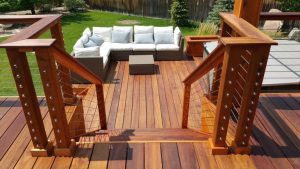
Ground-level decks remain the most common configuration in Round Rock because most lots are relatively flat. However, we are seeing increasing interest in slightly elevated builds that create a more defined transition from the house to the outdoor space. Multi-level designs are popular on the lots in Forest Creek and western Round Rock, where gentle grade changes create natural opportunities for tiered outdoor zones.
Integrated features are trending upward across the board. Built-in bench seating, pergola shade structures, and dedicated grill stations are requested more frequently than they were a few years ago. Homeowners are thinking about their decks as complete outdoor rooms rather than simple platforms. For more on what is possible with custom designs, see our custom deck builders page.
Round Rock Building Considerations
Round Rock sits on the same expansive clay soil as the rest of Central Texas. Footing engineering for clay conditions is essential on every project. The City of Round Rock requires building permits for most deck construction, and we handle all permit coordination through trusted partners. HOA architectural review is required in most master-planned communities and adds time to the project timeline. We coordinate all of these elements as part of our standard process.
Start Your Round Rock Deck Project
Ready to move forward? Schedule your free estimate. We visit your property, assess the space, discuss material and design options, and provide a detailed written quote.