
What Is Driving Deck Construction in One of Austin’s Fastest-Growing Suburbs
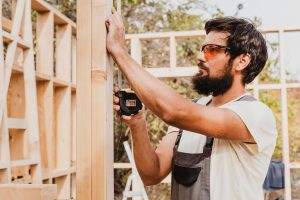 Cedar Park has become one of the strongest markets for residential deck construction in the Austin metro. The city’s combination of family-oriented neighborhoods, well-proportioned backyards, strong home values, and a year-round outdoor climate creates consistent demand for quality outdoor living spaces. We have been building decks in Cedar Park for over 13 years and have watched the market evolve from a handful of requests per year to one of our busiest service areas.
The demand is not just about new construction. Homeowners in established Cedar Park communities are adding decks to homes that were built without them, upgrading aging wood decks to composite decking, and expanding existing outdoor spaces to match better how their families actually use the backyard. Our Cedar Park deck builders page covers the full scope of our service in this market. This post digs into the factors driving that trend and what Cedar Park homeowners should know before starting a deck project.
The Neighborhoods Leading the Trend
Twin Creeks and Buttercup Creek
Twin Creeks and Buttercup Creek are two of Cedar Park’s most established master-planned communities. Homes in these neighborhoods were built primarily in the late 1990s and 2000s, meaning many of the original decks are nearing the end of their useful lives. Homeowners are replacing aging pressure-treated wood decks with composite materials that eliminate the maintenance cycle. Others are adding decks to homes that have concrete patios or no outdoor structure at all. The backyards in both communities are generally well-proportioned for medium to large deck builds.
Cypress Canyon and Anderson Mill
Cypress Canyon offers a mix of home styles with some lots backing to green space or gentle slopes that create opportunities for elevated or multi-level deck designs. Although partially within Austin’s jurisdiction, Anderson Mill has a Cedar Park identity and includes older homes where deck additions and replacements are common. Both communities have HOAs with architectural guidelines that we coordinate before construction begins.
Newer Developments Along 183A
The newer communities along the 183A corridor, including Walsh Ranch, Whitestone, and developments near Lakeline, represent the growth edge of Cedar Park. These homes are typically less than 10 years old with modern floor plans and backyards designed for outdoor living. Many were built with basic patios but no deck. Homeowners in these communities are adding decks as a second-phase investment after settling into the home. Composite decking is the dominant material choice in these newer neighborhoods because its modern board profiles complement contemporary home designs, and its zero-maintenance appeal aligns with the lifestyle of young families.
Why the Demand Is Growing
Outdoor Living Culture
Central Texas has a year-round outdoor culture, and Cedar Park families take full advantage of it. The city’s parks, trail systems, and community amenities reinforce a lifestyle where outdoor time is not seasonal but daily. A deck extends that lifestyle directly from the back door. It creates a defined outdoor space for weeknight dinners, weekend entertaining, morning coffee, and kids playing that a bare yard or basic patio does not provide.
Home Value and Investment
Cedar Park home values have increased significantly over the past decade as the city has grown. Homeowners investing in their properties view decks as both a lifestyle upgrade and a value-add that improves the home’s appeal to future buyers. A well-built deck is one of the most visible and usable improvements a homeowner can make, and it consistently ranks among the top exterior projects for return on investment in residential real estate.
Material Improvements
The quality and variety of decking materials available today are dramatically better than what existed when many Cedar Park homes were originally built. Composite brands like Trex, TimberTech, and Fiberon offer boards that look like real wood but require no staining, sealing, or regular maintenance. For homeowners who remember the annual hassle of maintaining a pressure-treated deck, the appeal of composite is immediate. Cedar wood remains popular for homeowners who prefer natural aesthetics and are willing to invest in periodic staining.
Cedar Park Building Considerations
Soil and Footings
Cedar Park sits on expansive clay soil that swells with moisture and contracts during dry periods. This seasonal ground movement transfers stress to deck footings year after year. Footings that are not engineered deep enough for clay conditions will shift over time, causing the deck to lean, sag, or pull away from the house. We assess the soil on every Cedar Park property and engineer footings based on the specific lot’s conditions. More details in our guide on why deck footing matters for Austin-area soil.
HOA Coordination
Most Cedar Park master-planned communities have HOAs with architectural review processes. Twin Creeks, Buttercup Creek, Cypress Canyon, Anderson Mill, and the newer communities along 183A all have guidelines that affect deck materials, colors, placement, and height. We coordinate HOA submissions for every project and factor the review timeline into the project schedule. Confirming HOA requirements before finalizing the design avoids surprises and rework.
Permits
The City of Cedar Park requires building permits for most deck construction projects. We coordinate all permit paperwork and inspections through trusted partners. The permit process in Cedar Park is straightforward but does add time to the project timeline, typically one to three weeks for processing, depending on season and department workload.
Getting Started on Your Cedar Park Deck
If you are a Cedar Park homeowner considering a deck, the first step is a free on-site estimate. We visit your property, assess the lot and soil conditions, confirm your HOA requirements, and provide a detailed written quote. Schedule your free estimate to get started.